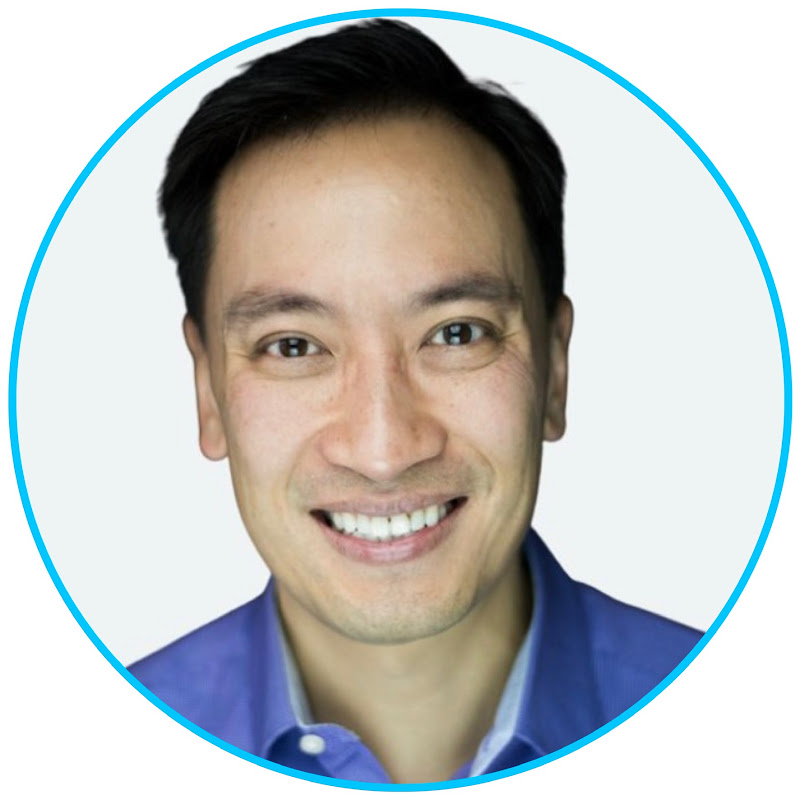
 Brighter with Herbert
“I think Elon moves into medical therapies, a partnership or a division. And I think it's sooner than people expect.”
Thesis at the time
BullishThe host argues Elon Musk follows a consistent pattern of building anything that's an 'engineering problem' himself (solar, chips, robotics) while only paying for 'time' (established relationships/data), and that this same pattern points toward Tesla/SpaceX/xAI eventually entering medicine via a compute-and-manufacturing angle rather than buying a pharma company outright. He frames Tesla's new $10.1B solar plant and $16.8B chip fab as evidence of this pattern and speculates Musk's repeated mRNA-as-software comments signal a coming move into medical compute/therapeutics.
Key arguments
- Elon builds engineering problems himself (SpaceX, Optimus, xAI, Neuralink, solar/chip fabs) but only pays money for accumulated relationships/data (Twitter, Cursor, SolarCity, Grohmann/Perbix)
- Elon has repeated the same 'mRNA turns curing disease into a software problem' line in 2020 and again in 2026, suggesting long-held conviction
- Tesla filed for a $10.1B vertically-integrated solar plant (Project Crystal Sun) and Tesla/SpaceX announced a $16.8B chip fab, showing a pattern of owning manufacturing rather than buying commodities
- The Nvidia/Eli Lilly compute-for-pharma partnership is cited as a template Musk could replicate: he brings compute, a pharma partner brings FDA/trial infrastructure
- Individualized cancer therapy requires massive per-patient compute, which the host argues could become a new demand driver for Tesla/SpaceX-built AI compute capacity
Counter-arguments acknowledged
- Musk stated similar mRNA views back in 2020 and took no action for six years, so this could just be an opinion he never acts on
- Political backlash risk: portions of the audience may dislike Musk endorsing mRNA technology
- The melanoma trial is one trial with recurrence data still maturing; overall survival data isn't finalized and other cancer indications are unproven
- The host admits the weakest part of his thesis is assuming a SpaceX brand tie-in; it could instead emerge as an xAI deal or an entirely new company
Hedges and caveats (from the video)
- Analysis is speculative and based on pattern recognition of Musk's public statements
- No explicit prediction made by Musk about entering medicine business
- Past statements from 2020 are being used as evidence of conviction, but intentions may have changed
- Video creator is promoting their own financial dashboard product (potential conflict of interest)
- Healthcare sector entry would require significant regulatory approval and capital deployment
The call
- Date said
- Aug 23, 2026
- Timeframe
- sooner than people expect
- Confidence
- low
- Specificity
- vague
How it resolved
- Status
- unverifiable
Why this resolved this way(resolution audit)
Full rules: docs/resolution-spec.md.
Confidence Reasoning
Speaker explicitly hedges with 'I think' and later says 'don't go put money behind a timeline here because I'm not putting one on it either,' indicating low conviction on timing despite directional belief.